Understanding Frizz in Curly Hair
What Causes Frizz?
Frizz commonly appears when the hair shaft becomes rough and loses its smooth texture, causing strands to lift away from the hair’s surface. This happens because the outer protective layer, known as the cuticle, is raised or damaged, allowing moisture from the environment to seep in. The intake of excess moisture disrupts the hair’s natural structure, making curls lose their definition and appear unruly.
The Role of Hair Moisture and Humidity
Humidity significantly impacts frizz, especially in curly hair. When the air contains high moisture levels, hair absorbs this water, causing the strands to swell and the cuticles to lift. This reaction leads to uneven hair texture and frizz. Conversely, overly dry conditions strip hair of its necessary moisture, resulting in brittleness and static that can also create a frizzy appearance. Maintaining balanced hair hydration is therefore crucial to managing frizz effectively.
Why Curly Hair is More Prone to Frizz
Curly hair has a naturally uneven surface and tends to be drier than straight hair because natural oils from the scalp have a harder time traveling down the twists and turns of the strands. This dryness weakens the hair’s ability to retain moisture and makes it more susceptible to environmental factors like humidity changes. The combination of irregular texture and dryness makes curls more vulnerable to frizz formation.
Benefits of Coconut Oil for Curly Hair
Nourishing Properties
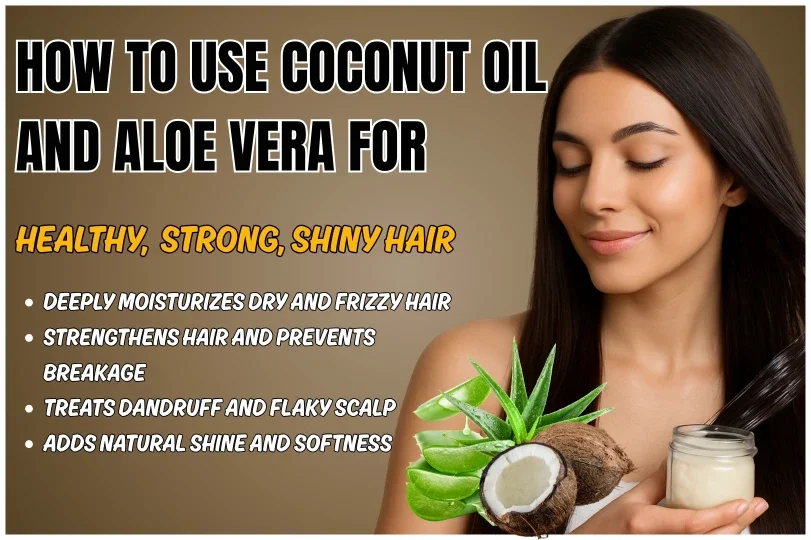
Coconut oil is rich in fatty acids and vitamins that penetrate the hair shaft to nourish and strengthen it from within. These nutrients help reduce protein loss, one of the primary causes of hair damage and frizz. By replenishing hair’s natural oils, coconut oil restores softness and resilience, which are essential for maintaining curl integrity and bounce.
How Coconut Oil Seals in Moisture
One key benefit of coconut oil is its ability to lock in moisture. It forms a thin protective barrier around hair strands, preventing excessive water absorption from humid environments while keeping internal hydration intact. This sealing effect reduces the cuticle’s tendency to raise and causes curls to lay smoother and maintain definition throughout the day.
Best Types of Coconut Oil for Hair Care
For best results, use virgin or extra virgin coconut oil, which is minimally processed and retains more nutrients. Avoid refined coconut oils that may have lost beneficial compounds due to heat and chemical treatments. Choosing pure, cold-pressed coconut oil ensures you get the full moisturizing and frizz-reducing benefits for your curls.
The Power of Aloe Vera in Hair Care
Hydration and Soothing Effects
Aloe vera is known for its high water content and natural humectant properties, meaning it attracts and locks in moisture. This makes it an excellent ingredient for hydrating dry, frizzy curls. Beyond hydration, aloe vera provides a soothing effect that calms irritated scalps, reducing inflammation that can contribute to hair damage and frizz.
Promoting a Healthy Scalp
Maintaining scalp health is essential to reduce frizz since strong hair grows from a healthy foundation. Aloe vera contains enzymes that help remove dead skin cells and unclog hair follicles, encouraging better hair growth and reducing dandruff or scalp dryness. A nourished scalp supports stronger, smoother curls and less frizz.
How Aloe Vera Reduces Curl Frizz
The gel-like texture of aloe vera smooths the hair cuticle and coats each strand, reducing roughness that leads to frizz. Its natural blend of vitamins, minerals, and antioxidants helps restore hair elasticity and shine. This combined effect results in curls that look well-defined, soft, and more manageable.
Combining Coconut Oil and Aloe Vera: Natural Remedies for Frizz
DIY Hair Mask Recipes
Mixing coconut oil with aloe vera creates a powerful hydrating and sealing treatment for frizzy curls. A simple recipe involves blending two tablespoons of pure aloe vera gel with one tablespoon of virgin coconut oil. This mixture nourishes the hair deeply while locking in moisture, addressing the root causes of frizz effectively without harsh chemicals.
Step-by-Step Application Guide
Begin by slightly warming the coconut oil until it becomes liquid but not hot. Blend it with fresh aloe vera gel and apply evenly from roots to tips, focusing on the driest sections of your curls. Leave the mask on for 30 minutes to an hour, allowing the ingredients to penetrate the hair cuticles. Then, rinse thoroughly with lukewarm water and follow with a gentle shampoo if necessary.
Frequency and Best Practices
Applying this mask once or twice a week offers noticeable improvements in curl smoothness and frizz control. Overusing coconut oil can sometimes weigh down hair, so moderation is key. It’s also beneficial to perform a patch test before first use to avoid any potential allergic reactions, especially with aloe vera products.
Additional Tips for Managing Frizz in Curly Hair
Choosing the Right Shampoo and Conditioner

Many shampoos contain sulfates and harsh detergents that strip natural oils, exacerbating dryness and frizz in curly hair. Opt for sulfate-free, moisturizing formulas designed for curls. Pairing these with rich conditioners that help detangle and nourish can improve hair texture and protect against moisture loss.
Styling Techniques to Enhance Curls Without Frizz
Applying products to damp hair instead of soaking wet prevents excess water from disrupting curl patterns. Using a microfiber towel or a soft cotton T-shirt to gently blot hair reduces friction that causes frizz. Additionally, scrunching curls upwards encourages their natural shape while minimal touching throughout the day keeps frizz at bay.
Protective Hairstyles and Nighttime Care
Loose braids, buns, or twists help maintain curl definition and reduce exposure to friction. Sleeping on a satin or silk pillowcase or wearing a silk scarf preserves moisture and prevents hair breakage that increases frizz over time. These protective measures support long-term hair health and frizz control.