Understanding Hair Breakage: Causes and Consequences
Common Everyday Practices That Weaken Hair
Hair breakage is a concern many face but don’t always recognize the habits behind it. Simple routines like vigorous towel drying, brushing hair when it’s wet, or using harsh shampoos can contribute to weakening the strands. These daily actions may seem harmless but can gradually strip your hair of its natural strength and moisture.
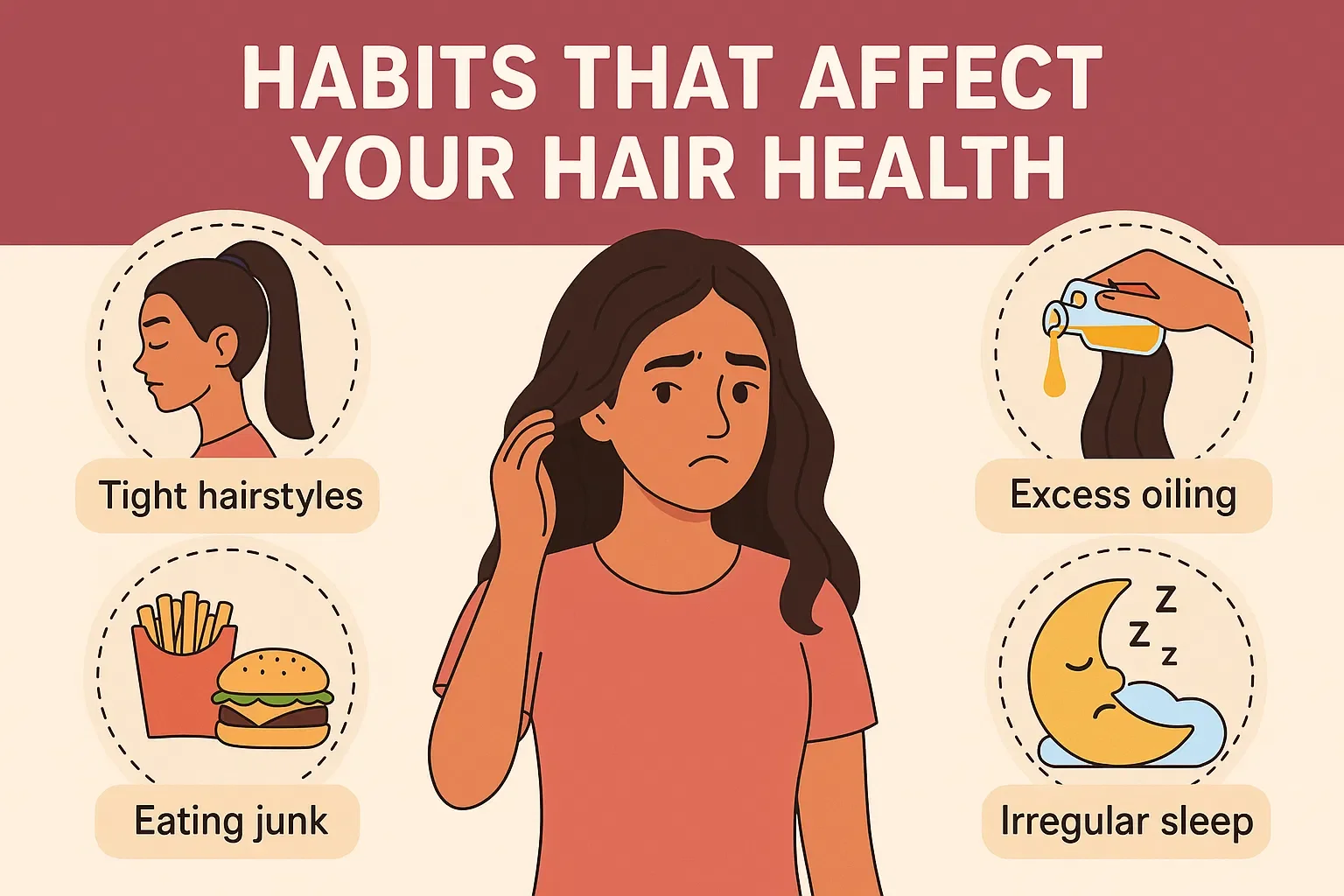
Even how you sleep can influence hair health. Using cotton pillowcases or tossing and turning without care can cause friction that damages your hair cuticles. Over time, such unnoticed practices add up, making hair more prone to split ends and breakage.
How Hair Structure is Affected by Daily Habits
The structure of hair is delicate. Each strand is protected by a cuticle layer made up of overlapping cells that keep moisture in and external damage out. When everyday routines are too harsh, this cuticle breaks down, exposing the inner cortex, which is softer and more vulnerable.
Once damaged, hair can lose elasticity and shine, and become brittle. It’s important to realize that breakage isn’t always about length loss but also about hair thinning and texture changes, which are direct results of compromised hair structure.
Identifying Harmful Hair Care Routines
Impact of Excessive Heat Styling
Heat tools like straighteners, curling irons, and blow dryers are popular for styling but often at the expense of hair health. High temperatures strip away natural oils and can cause the hair cuticle to crack, leading to dryness and breakage. Using these tools daily or without protection worsens the problem.
Additionally, many don’t realize that air-drying hair roughly or using heat on already damaged hair exacerbates the damage. Moderation and caution are key to preserving hair integrity when using heat.
Damage from Chemical Treatments and Overwashing
Chemical treatments such as bleaching, perming, and coloring are another major culprit. These procedures alter the hair’s natural proteins and break down the protective layers. Frequent chemical exposure makes hair more fragile and susceptible to snapping.
Overwashing with strong shampoos also dries out the scalp and hair fibers. Stripping away natural oils leaves hair weak and less resilient to the external environment. Finding a balance with washing frequency and product choice is essential for prevention.
Effects of Tight Hairstyles and Rough Handling
Tight ponytails, braids, or buns may look neat but can cause tension on hair roots and strands. This constant pulling leads to a form of hair loss known as traction alopecia. Besides tension, aggressive brushing or combing can cause physical damage to hair strands, especially when hair is wet and more fragile.
It’s important to adopt gentler handling habits and avoid hairstyles that stress the scalp to maintain healthy hair.
Natural Alternatives to Protect and Strengthen Hair
Using Nourishing Oils and Herbal Rinses
Natural oils such as coconut, argan, and jojoba are wonderful for fortifying hair. They provide essential fatty acids and vitamins that replenish moisture and protect the cuticle. Regular oil massages enhance blood circulation in the scalp, promoting stronger roots.
Herbal rinses made from ingredients like rosemary, chamomile, and nettle can improve scalp health and shine. These rinses help balance pH, reduce inflammation, and impart gentle cleansing without stripping hair of its natural oils.
Gentle Hair Washing Techniques and Scalp Care
Switching to sulfate-free shampoos and limiting washes to two or three times a week can preserve hair’s natural protection. Applying shampoo only to the scalp and then letting the lather run through the ends reduces friction and dryness on strands.
After washing, using a microfiber towel or an old t-shirt to gently blot water instead of rubbing prevents unnecessary breakage. Incorporating scalp massages regularly enhances sebum distribution and maintains a healthy environment for hair growth.
Heat-Free Styling Tips for Everyday Look
There are many creative ways to style hair without heat. Braiding damp hair before bed creates natural waves, while twists and buns provide volume and shape without damage. Accessories like silk scarves or headbands add flair and protect hair from friction.
Allowing hair to air dry entirely or using a cool air setting on a blow dryer helps reduce exposure to damaging heat. These small changes keep hair resilient and enhance natural texture.
Creating a Hair-Friendly Daily Routine
Choosing the Right Hair Accessories
Opt for hair ties made from soft materials like fabric-covered elastics or scrunchies rather than rubber bands. These are gentler and reduce the risk of snagging and snapping strands. Avoid metal clips or tight pins that may cause breakage at contact points.
Silk or satin pillowcases are another smart addition. They reduce friction while sleeping, which minimizes hair tangling and breakage, making your morning routine easier.
Benefits of Regular Trimming and Deep Conditioning
Trimming hair every 6 to 8 weeks prevents split ends from traveling up the hair shaft and causing further damage. It keeps hair looking fresh and healthy while encouraging growth.
Deep conditioning treatments deliver intense hydration and repair. Incorporating these treatments weekly or biweekly, using natural ingredients when possible, replenishes moisture and strengthens hair fibers against everyday stress.
Bonus Tips: Diet and Lifestyle for Healthy Hair
Hair health is intricately linked to what we eat and how we live. Protein-rich foods, vitamins like biotin, vitamin D, and minerals such as zinc support hair growth and strength from the inside out.
Staying hydrated and managing stress through practices like meditation or gentle exercise also influence hair condition. Quality sleep plays a vital role in cellular repair, including hair follicles.
By embracing a holistic approach combining nutrition, lifestyle, and hair care practices, you set the stage for naturally strong and beautiful hair.