Understanding Severely Dry and Damaged Hair
Common Causes and Symptoms
Severely dry and damaged hair often presents brittle strands, split ends, dullness, and excessive breakage. These symptoms result from prolonged exposure to harsh environmental factors, frequent heat styling, chemical treatments such as coloring or perming, and lack of proper moisture. Over-washing or using inappropriate hair care products can also strip the hair of its natural oils, exacerbating dryness and damage.
Why Hair Oils Are Essential for Recovery
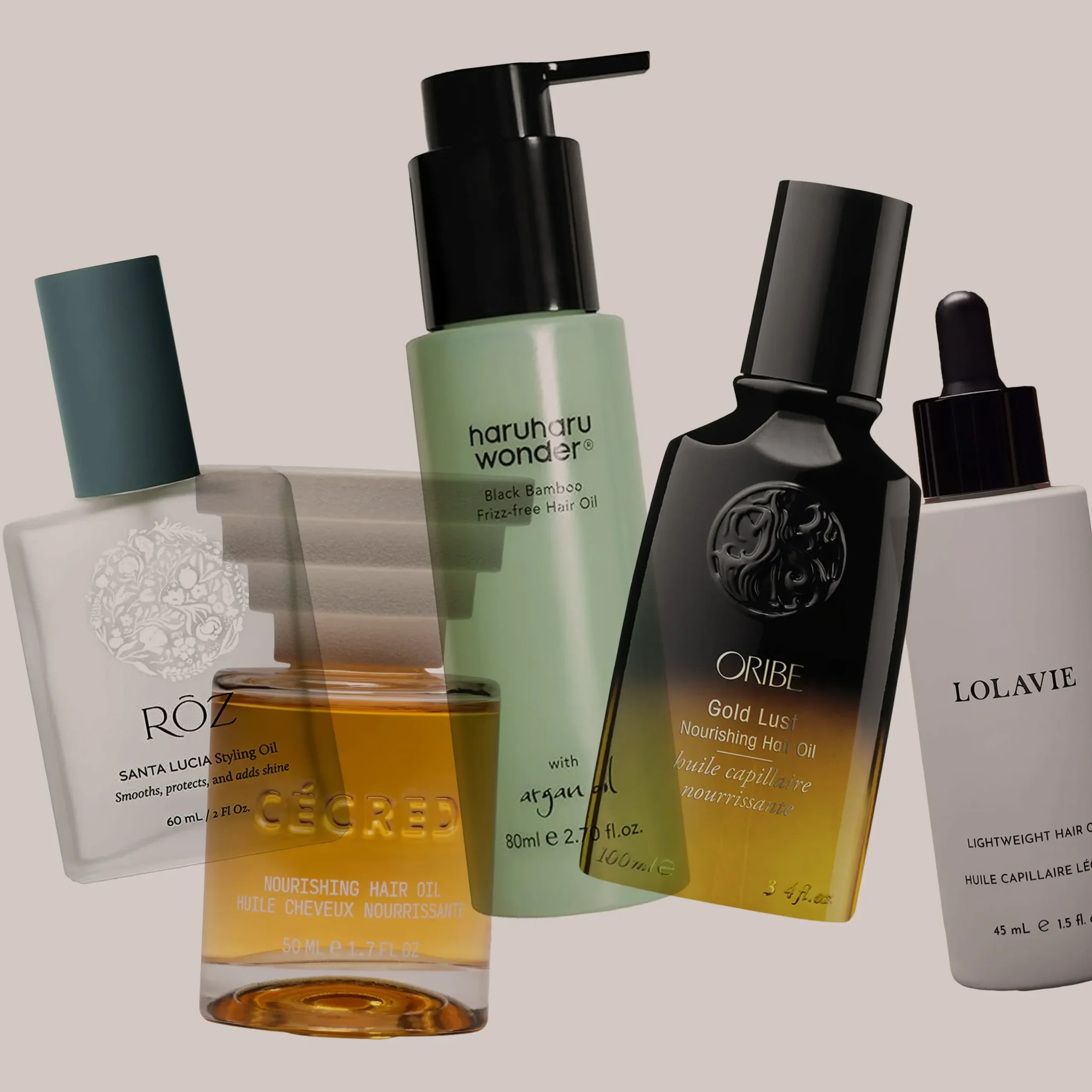
Hair oils act as powerful moisturizers and protectants, replenishing lost nutrients and restoring the hair’s natural barrier. They penetrate the hair shaft to provide deep hydration and improve elasticity, which reduces breakage. Oils also create a protective layer that guards against further damage from heat and environmental aggressors. For severely dry and damaged hair, incorporating the right oil into a care regimen can accelerate recovery and improve overall hair health.
Key Ingredients to Look for in Hair Oils
Hydrating Components
Moisture retention is critical for restoring dry hair. Ingredients such as glycerin, hyaluronic acid, and certain plant oils rich in fatty acids attract and lock in moisture. Oils containing linoleic and oleic acids, for example, provide deep hydration while smoothing the hair cuticle to prevent frizz and brittleness.
Repair and Strengthening Agents
Beyond hydration, repair-focused oils contain proteins, antioxidants, and vitamins crucial for rebuilding damaged hair structures. Keratin, collagen, vitamin E, and B vitamins are common additives that support strength and resilience. These ingredients help mend split ends and protect the hair from oxidative stress and mechanical damage.
Natural vs Synthetic Ingredients
Choosing between natural and synthetic oils can impact results. Natural oils like argan, coconut, and jojoba contain complex nutrients and tend to be gentler and more compatible with hair biology. Synthetic oils can offer occlusive benefits but may weigh hair down or cause buildup. For severely dry and damaged hair, oils with predominantly natural ingredients usually provide safer, more effective nourishment without harmful side effects.
Types of Hair Oils Suitable for Severe Damage
Nourishing Oils: Argan, Coconut, and More
Nourishing oils such as argan, coconut, and olive oil are prized for their moisturizing and restorative properties. Argan oil is rich in antioxidants and vitamin E, making it excellent for smoothing and protecting damaged strands. Coconut oil penetrates deeply to reduce protein loss, which is essential for hair strength. Olive oil adds softness and shine while providing a barrier against dehydration.
Specialty Oils for Deep Treatment
Some oils are specifically formulated for deep, intensive repair. Examples include marula oil, which has high antioxidant content and light texture, and baobab oil, known for its rejuvenating fatty acids. These oils often provide more targeted benefits, such as improving elasticity or repairing oxidative damage over time, making them ideal for severely compromised hair.
Combination Blends and Their Benefits
Blends combining multiple oils can harness the strengths of different ingredients to address several issues simultaneously. For example, a blend of jojoba, argan, and avocado oils balances hydration, repair, and protection. These formulations cater to complex hair needs and can provide more comprehensive results than single-oil products.
How to Assess Your Hair’s Needs Before Choosing an Oil
Identifying Hair Porosity and Texture
Understanding hair porosity and texture helps determine which oils will be most effective. High porosity hair, often frail and prone to damage, benefits from heavier, nutrient-dense oils that seal moisture. In contrast, low porosity hair requires lighter oils that won’t cause buildup. Texture also influences absorption; coarse hair may need richer oils, while fine hair fares better with lighter options.
Spotting Specific Damage Types
Different damage types require tailored oil treatments. For example, heat-damaged hair may benefit from oils rich in protein and antioxidants, while chemically damaged hair often needs intense hydration and barrier repair. Recognizing whether your hair suffers mainly from dryness, breakage, split ends, or scalp issues will guide your oil selection toward more precise and effective solutions.
Application Tips for Maximum Effectiveness
Pre-Wash Treatments
Applying hair oil as a pre-wash treatment allows it to deeply penetrate the hair fibers without interference from shampooing. This method helps reduce moisture loss during washing and primes the hair for better hydration. Leaving the oil on for at least 30 minutes, or overnight, can markedly improve softness and reduce damage from cleansing.
Leave-In Nourishment Techniques
Using oil as a leave-in treatment provides ongoing protection and hydration throughout the day. A small amount applied to the ends or mid-lengths tames frizz and enhances shine without greasing the scalp. For severely dry hair, this technique maintains moisture balance and shields strands from environmental stressors between washes.
Frequency and Quantity Guidelines
Overusing hair oil can lead to buildup and weigh down hair, while underuse might fail to deliver benefits. Generally, 2-3 times a week is sufficient for severely dry and damaged hair, but individual needs vary. Starting with a few drops and adjusting based on hair response ensures optimal results without excess residue.
Top Hair Oils Recommended by Experts for Severely Dry Hair
Experts often recommend oils such as argan, coconut, jojoba, and marula for severe dryness due to their potent nourishing qualities. Argan oil’s antioxidant profile supports repair, whereas coconut oil’s ability to penetrate the hair shaft prevents protein loss. Jojoba oil mimics natural scalp oils, improving hydration balance, and marula oil provides lightweight moisture without heaviness. Choosing high-quality, cold-pressed, and pure oils ensures the most effective treatment.
Additional Hair Care Practices to Support Healing
Avoiding Heat and Chemical Damage
Continued exposure to heat styling tools and harsh chemical processes can undermine oil treatments and worsen hair condition. Minimizing or eliminating these factors allows oils and conditioners to repair hair more effectively. Using heat protectants or opting for air drying promotes a healthier scalp and stronger strands.
Complementary Products to Use Alongside Oils
Using oils in combination with gentle shampoos, hydrating conditioners, and protein treatments enhances recovery outcomes. Products free of sulfates, parabens, and alcohol complement oils by maintaining moisture and preventing irritation. Incorporating scalp exfoliants and masks designed for damaged hair may also boost oil absorption and repair results.